- Call : +91 9137817004 | +91 9152546638
- Email : info@capital.in


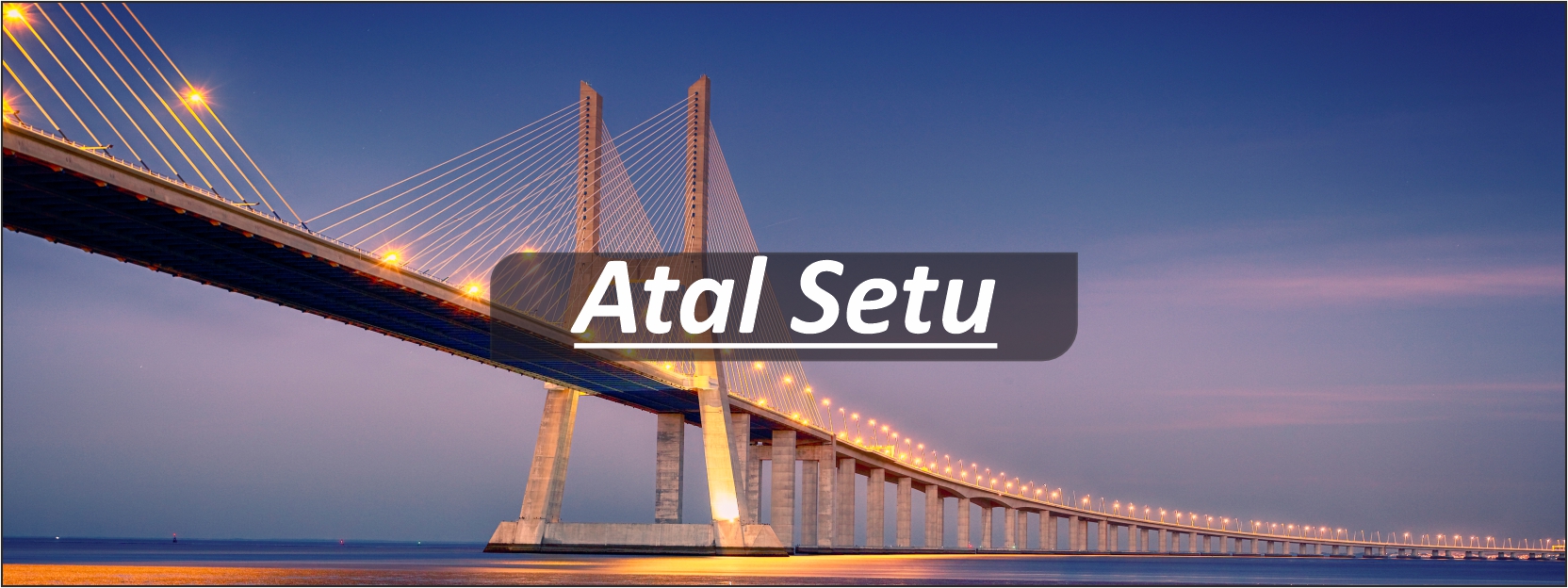


The seeds of the Mumbai Trans Harbour Link were sown in the 1990s, amidst the burgeoning traffic and congestion plaguing Mumbai. With six existing bridges struggling to meet the demands of growing traffic, the need for a comprehensive solution became evident. The Mumbai Metropolitan Region Development Authority (MMRDA) embarked on studies to address these challenges, leading to the proposal for the Trans Harbour Link in 2012. However, the journey from proposal to fruition was riddled with hurdles, marked by delays and multiple attempts to kickstart the project.

The planning phase of the Mumbai Trans Harbour Link witnessed various attempts to bring the project to life. From initial proposals by private entities to subsequent government-led initiatives, each attempt faced its share of challenges. The transition from private-public partnership (PPP) models to cash contract basis underscored the complexities involved in financing and executing such a massive infrastructure project. Environmental concerns, clearance procedures, and stakeholder negotiations added layers of intricacy to the planning process.

Construction on the Mumbai Trans Harbour Link commenced in April 2018, marking a significant milestone in the project’s timeline. However, the journey was not without its challenges. The COVID-19 pandemic, unforeseen delays, and technical complexities posed formidable obstacles along the way. Despite these challenges, the dedication of engineers, workers, and project stakeholders ensured steady progress towards completion. The bridge’s inauguration in January 2024 culminated years of planning and perseverance.
By addressing environmental concerns and securing robust financial backing, the Mumbai Trans Harbour Link project charted a course towards connectivity and sustainable development.

In August 2013, the Mumbai Metropolitan Region Development Authority (MMRDA) made a pivotal decision to abandon the Public-Private Partnership (PPP) model in favor of an Engineering, Procurement, and Construction (EPC) approach for the Mumbai Trans Harbour Link project. This shift in strategy aimed to streamline execution and address funding challenges. The move garnered interest from the Japan International Cooperation Agency (JICA), signaling a new phase in the project’s development.

The project encountered a significant setback in April 2015 when the FAC of the MoEFCC withheld clearance due to environmental concerns. The proposed bridge’s impact on mangroves and the flamingo population raised red flags, necessitating comprehensive studies and safeguards. Despite challenges, subsequent clearances from authorities such as the MCZMA and the Forest Advisory Committee marked progress in navigating environmental hurdles.

In February 2016, JICA stepped in with a substantial loan agreement, offering 80% of the project’s total cost at favorable interest rates. This financial support, coupled with clearances from various regulatory bodies, provided momentum for the project’s advancement. With JICA’s formal approval and the initiation of the bidding process, the Mumbai Trans Harbour Link edged closer to realization.
©2026 Capital. All Rights Reserved.


